
Virtual Team Building Games: 14 Ideas for Remote & Hybrid Teams
Introduction
Remote teams are now the norm, not the exception. For all the benefits of flexibility and location freedom, remote work also brings challenges that office environments masked for years, such as awkward silences, half-smiles on camera, and funny watercooler break chats.
Without that intentional interaction, team engagement drops and communication becomes transactional, making it difficult to build meaningful work relationships.
Virtual team building games offer a practical solution. The right activities help remote teams bond, improve communication, and strengthen collaboration without adding unnecessary meeting time. They create moments for real interaction, whether through quick icebreakers, creative challenges, or strategy-based games.
In this guide, we'll walk through 14 virtual team building games that work in real life, including insights on how to run them thoughtfully, keep everyone included, and even accelerate collaboration using shared visual spaces.
What You Need to Get Started With Virtual Team Building
Virtual team building games are structured online activities that help remote and hybrid teams build trust, improve communication, and boost engagement. These games include quick icebreakers, trivia, virtual escape rooms, scavenger hunts, and creative challenges.
Managers use virtual team building games to reduce isolation, strengthen collaboration, and support morale across time zones. The best options fit your team size, meeting length, and goals, whether you need a 5-minute energizer, a problem-solving challenge, or an inclusive activity that supports onboarding and long-term culture.
Hybrid work is also sticking around. A large survey found that work-from-home levels stabilized at about 1.27 days per week on average in 2024 and early 2025, which makes repeatable, low-effort connection rituals worth building into the routine.
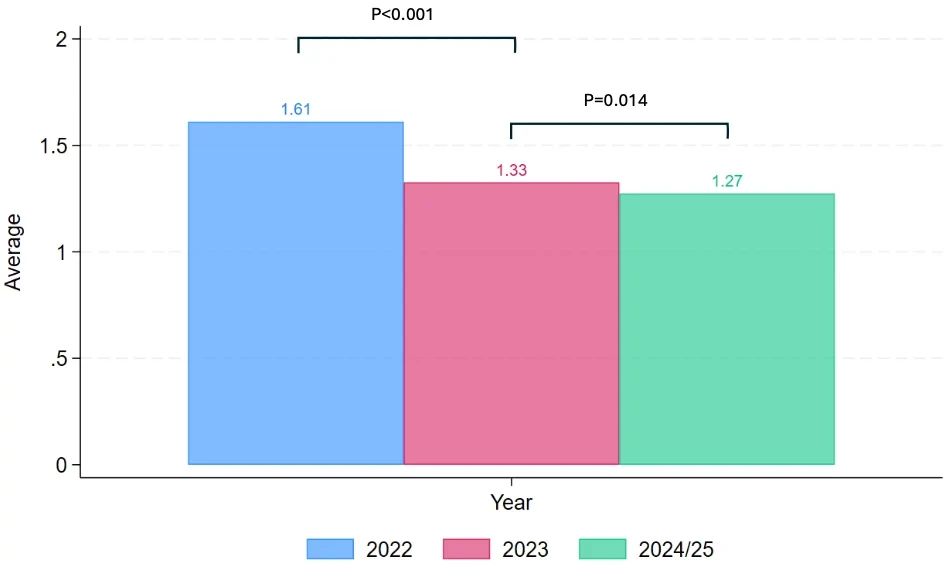
Image Source: Stanford Research
You do not need a large budget or complicated setup. Most successful remote team building games rely on three simple foundations:
- A reliable video conferencing platform
- An agreed session length and facilitator
- An optional shared visual space to organize ideas and track activities
For games that involve brainstorming, drawing, or tracking scores, a visual collaboration board like IdeaBoard can help teams capture input and structure responses. Sticky notes, mind maps, and custom boards allow everyone to contribute in real time or asynchronously, especially useful for remote employee engagement activities where visual structure matters.
Once these basics are in place, you are ready to move into the fun part.
14 Virtual Team Building Games for Remote Teams
Choosing the right virtual team building games does not have to feel overwhelming. The best activities depend on your team’s energy, time availability, and the type of connection you want to strengthen, whether that is a quick rapport or deeper collaboration.
Icebreakers & Quick Starters
These games are perfect for warming up a meeting, resetting the mood, or giving everyone a reason to lean in instead of zoning out. They work especially well at the beginning of a session, when energy is low or participants are still mentally transitioning from other tasks.
This classic never fails because it taps into curiosity. Each team member shares two true statements and one false one, and the group guesses which is the lie.
What makes it effective for remote teams is the storytelling element. People reveal small, memorable details about themselves, which naturally sparks follow-up questions and laughter. It works especially well at the start of new projects or onboarding sessions when building trust quickly matters.
Virtual Bingo adds a playful structure to team introductions. Create bingo cards filled with traits or experiences such as “has a pet,” “speaks more than two languages,” or “works in another time zone.” As participants discover matches within the group, they mark off squares and try to complete a row.
Using a shared grid-style board makes the experience more interactive. For instance, an IdeaBoard Mandala Chart template allows participants to mark squares live and see progress in real time, creating a shared visual experience instead of isolated participation.
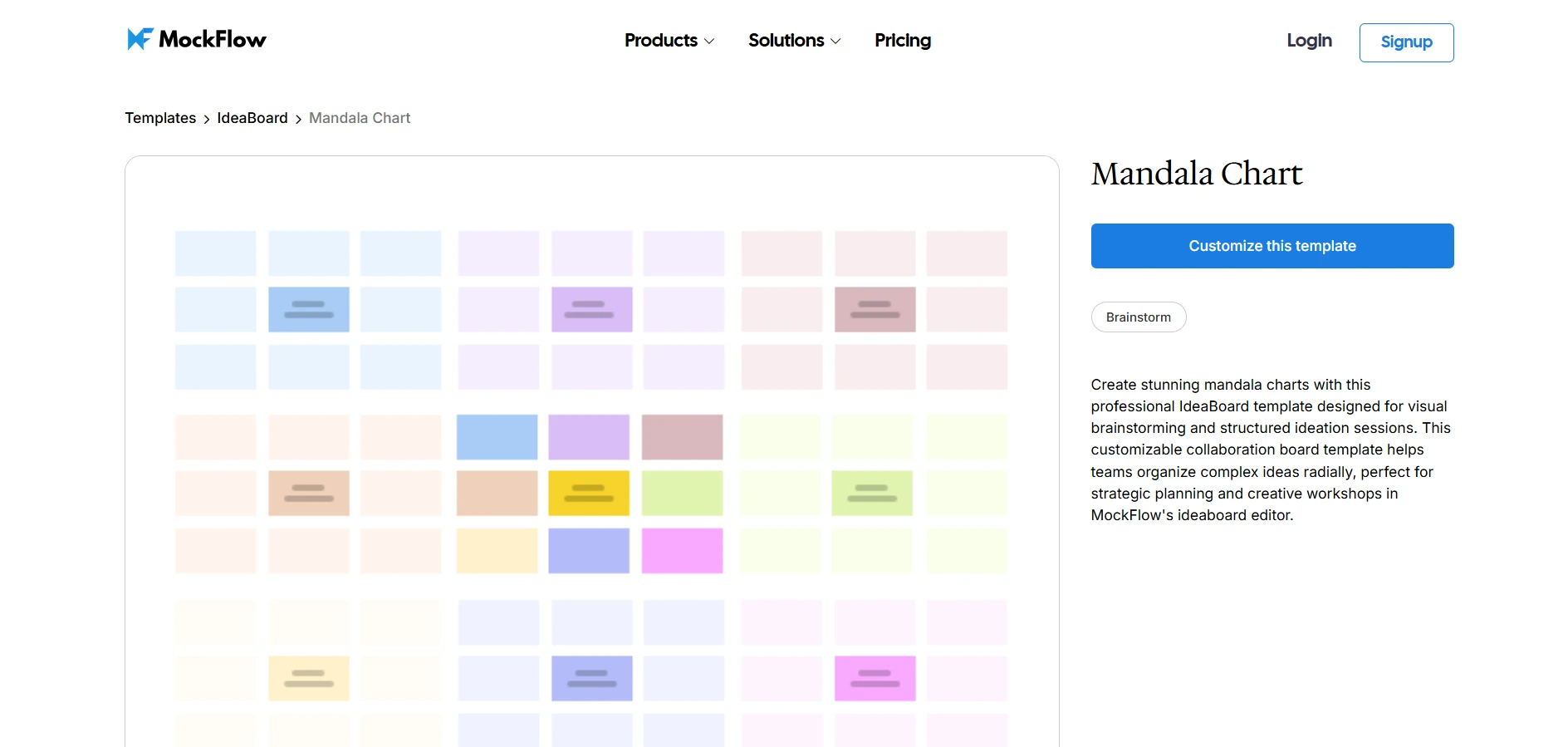
Customize this Mandala Chart template for Virtual Bingo
Because everyone can see the board update as people engage, the game feels collaborative rather than passive.
This game is simple, but it consistently energizes remote calls. One person thinks of an object, and the team asks up to 20 yes-or-no questions to identify it. The format encourages strategic thinking and sharp listening. It also creates natural collaboration as teammates build on each other’s questions to narrow down possibilities.
The best part is that it requires no preparation. It works well as a quick reset during longer workshops or when the group needs a burst of focus and shared momentum.
Creative & Communication Games
If your goal is to strengthen collaboration and encourage creative expression, this group of virtual team building games brings out imagination, quick thinking, and shared problem-solving. These activities work especially well when teams need to loosen up, practice clearer communication, or simply reconnect in a more dynamic way.
Online Pictionary instantly shifts a passive call into an energetic, interactive session. One person draws a word or phrase while the rest of the team guesses what it is. The fun lies in the imperfect sketches, creative interpretations, and rapid-fire guesses that follow.
Using IdeaBoard’s infinite whiteboard canvas makes this experience seamless because everyone can see the drawing unfold in real time.
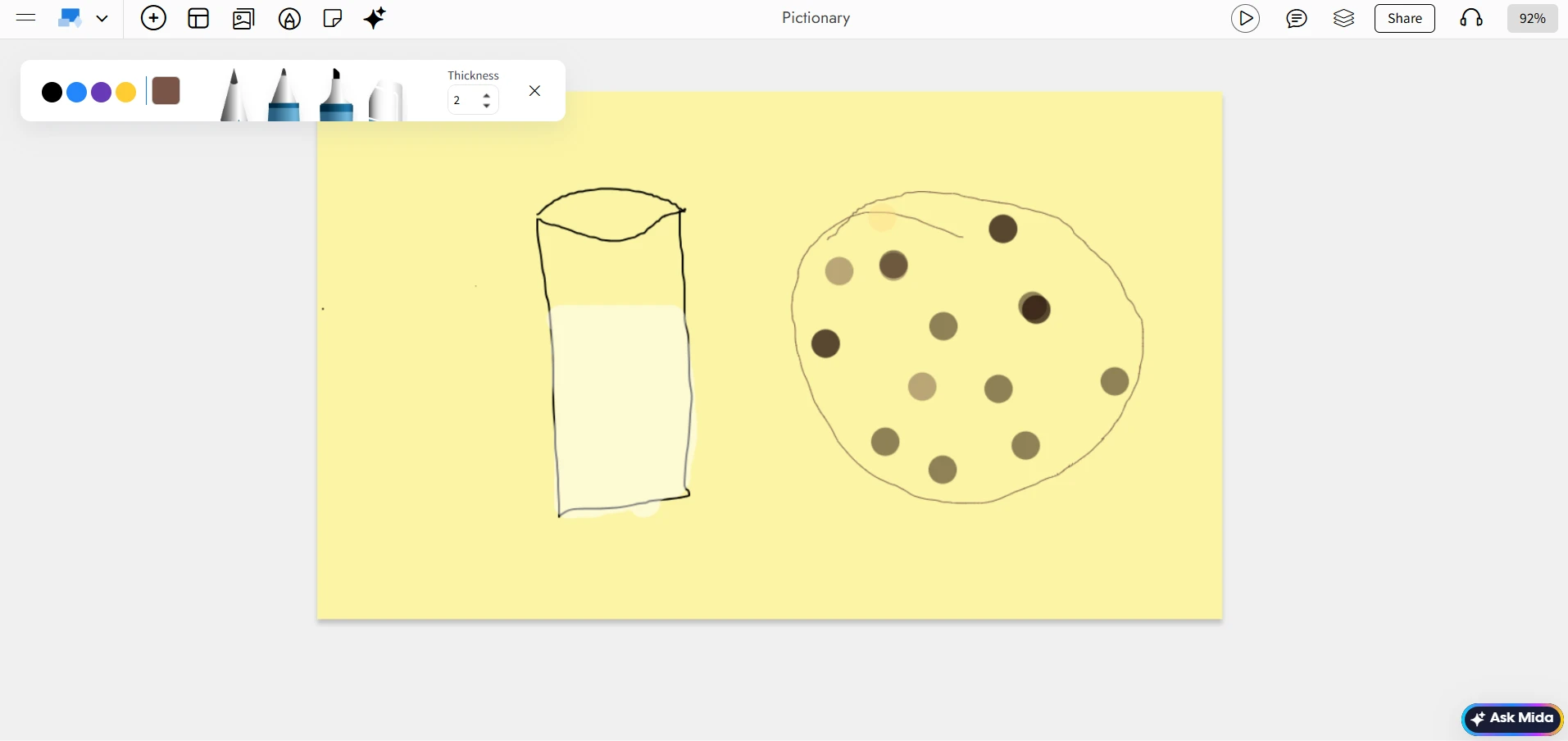
Screenshot of IdeaBoard while playing Pictionary
A blank whiteboard template works perfectly for this setup. With live drawing tools, shapes, and colors, teammates collaborate visually instead of just verbally, which increases participation and keeps energy high.
Team Storytelling Relay transforms creativity into a collaborative exercise. One person starts a story with a single sentence, and each teammate builds on it turn by turn. The narrative can take unexpected twists, and that unpredictability is where the engagement happens.
To make the evolving story easier to follow, a structured visual layout helps. IdeaBoard’s Meeting Mind Map template allows teams to branch out storylines, track characters, and visually map how the plot develops.
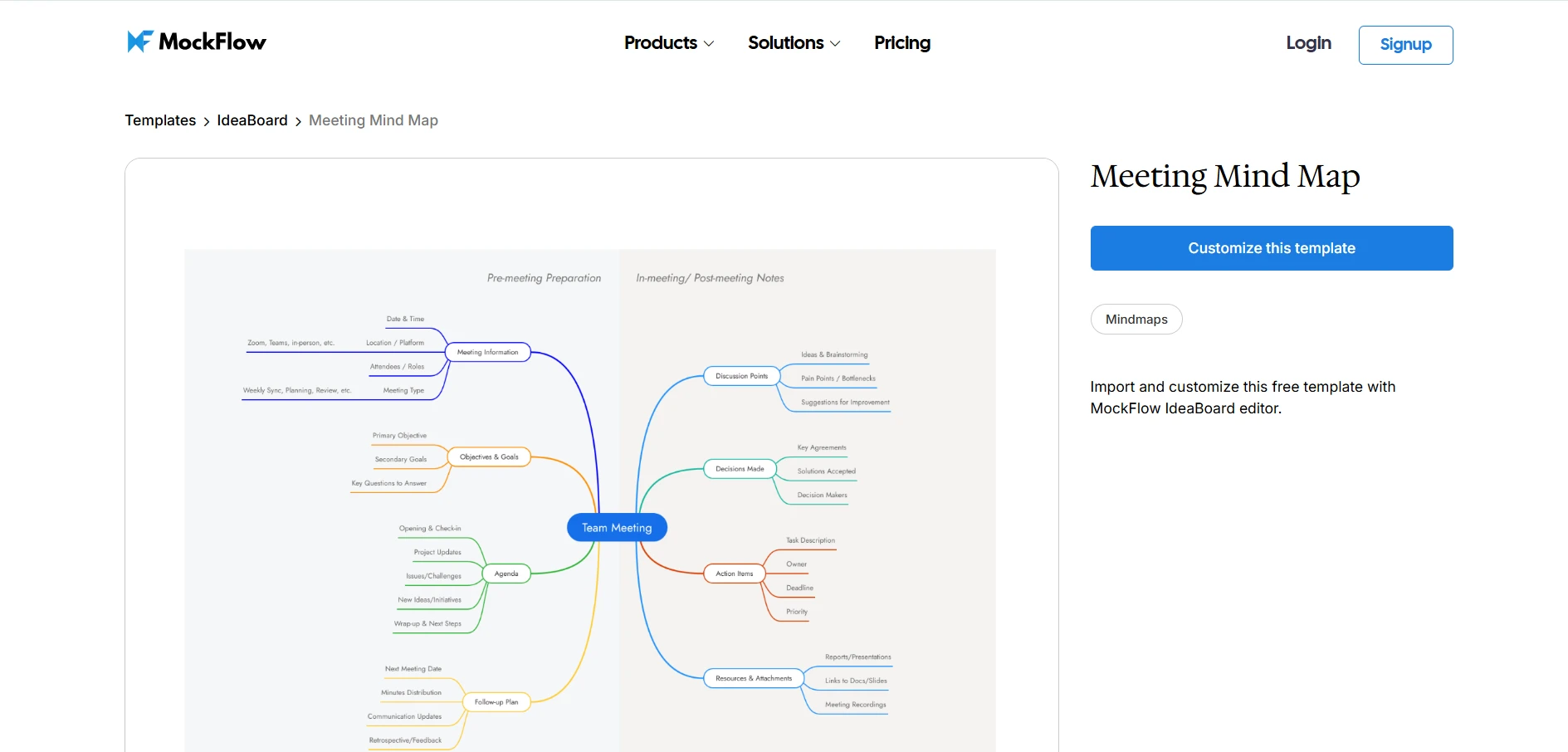
Click on the image to access the Meeting Mind Map template
Seeing the story expand visually keeps everyone involved and encourages more thoughtful contributions.
This activity can turn a simple prompt into a shared artifact that sparks connection. Assign a theme like “your favorite snack,” “comfort item on your desk,” or “something that made you smile this week.” Participants upload photos to represent their choices.
To make the visual experience more organized and playful, use the Food Product Moodboard template on IdeaBoard. Although originally designed for product visuals, this template works great as a structured collage space for photos and captions.
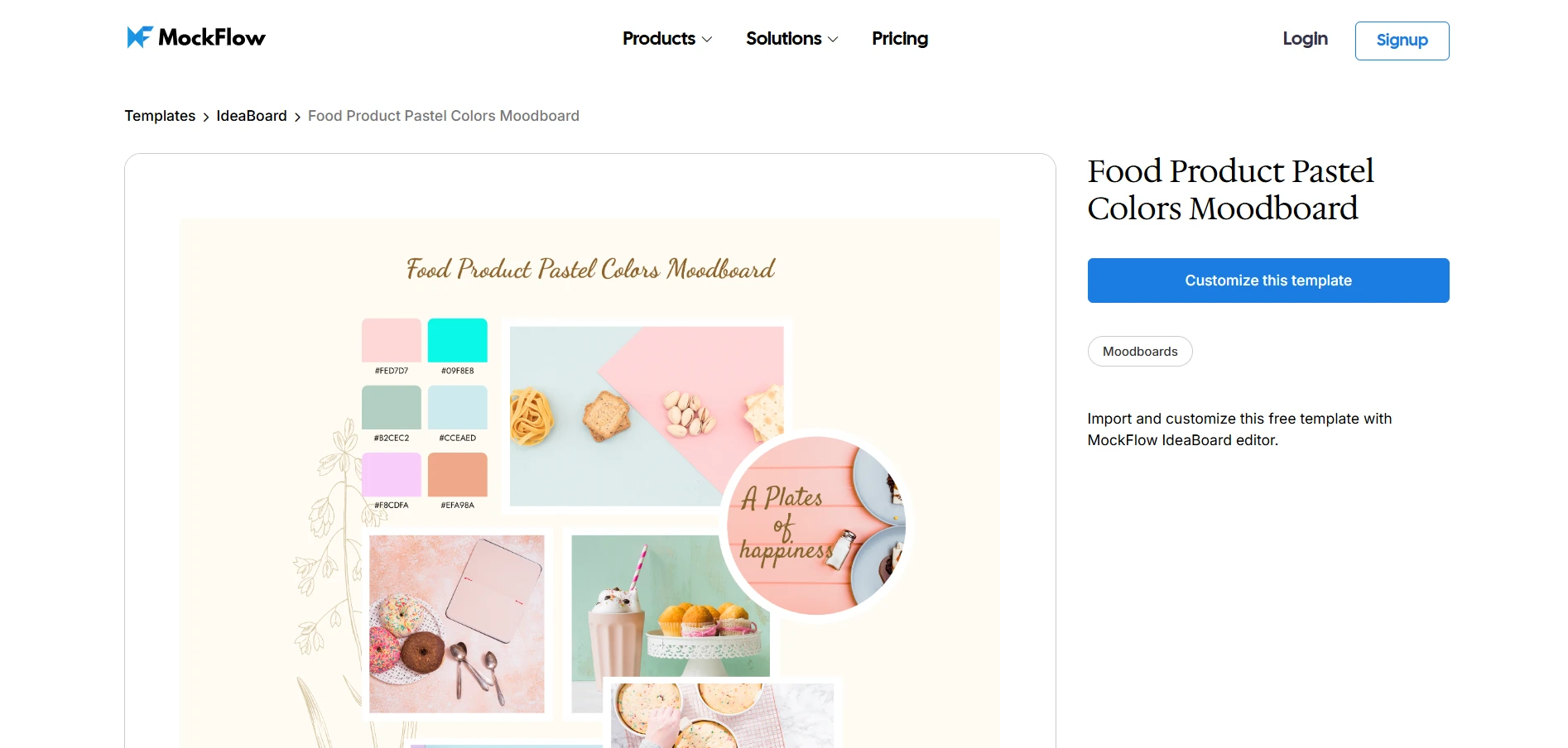
Try out the Food Product Moodboard for a collage challenge
Teams drop their images into the board and add short descriptions or reactions. Having a shared visual mosaic builds a sense of presence and prompts conversation beyond simple screen sharing.
Problem Solving & Strategy Games
When the goal goes beyond light conversation and moves toward deeper team collaboration, these remote team building games create opportunities for structured thinking and shared decision-making.
They challenge teams to communicate clearly, divide responsibilities, and work toward a common outcome, which mirrors real workplace dynamics in a productive way.
A Virtual Escape Room transforms your remote session into a shared mission. Teams work through digital clues, riddles, and logic-based puzzles that require collective reasoning and coordination. Success depends on how clearly participants communicate, how effectively they test assumptions, and how well they build on one another’s insights.
Because the stakes feel real, even in a playful setting, engagement rises quickly. Team members naturally assign roles, track information, and challenge each other’s thinking, which makes this one of the most effective remote team building games for strengthening communication and strategic collaboration.
A structured brainstorming challenge works especially well when teams want to combine team building with meaningful work. Present a real topic such as improving onboarding, enhancing customer experience, or streamlining internal workflows. Then invite teams to generate and organize ideas together.
IdeaBoard’s Reverse Brainstorming template provides a visual framework for capturing ideas as sticky notes and clustering them into themes. This makes it easier to see patterns and prioritize collectively.
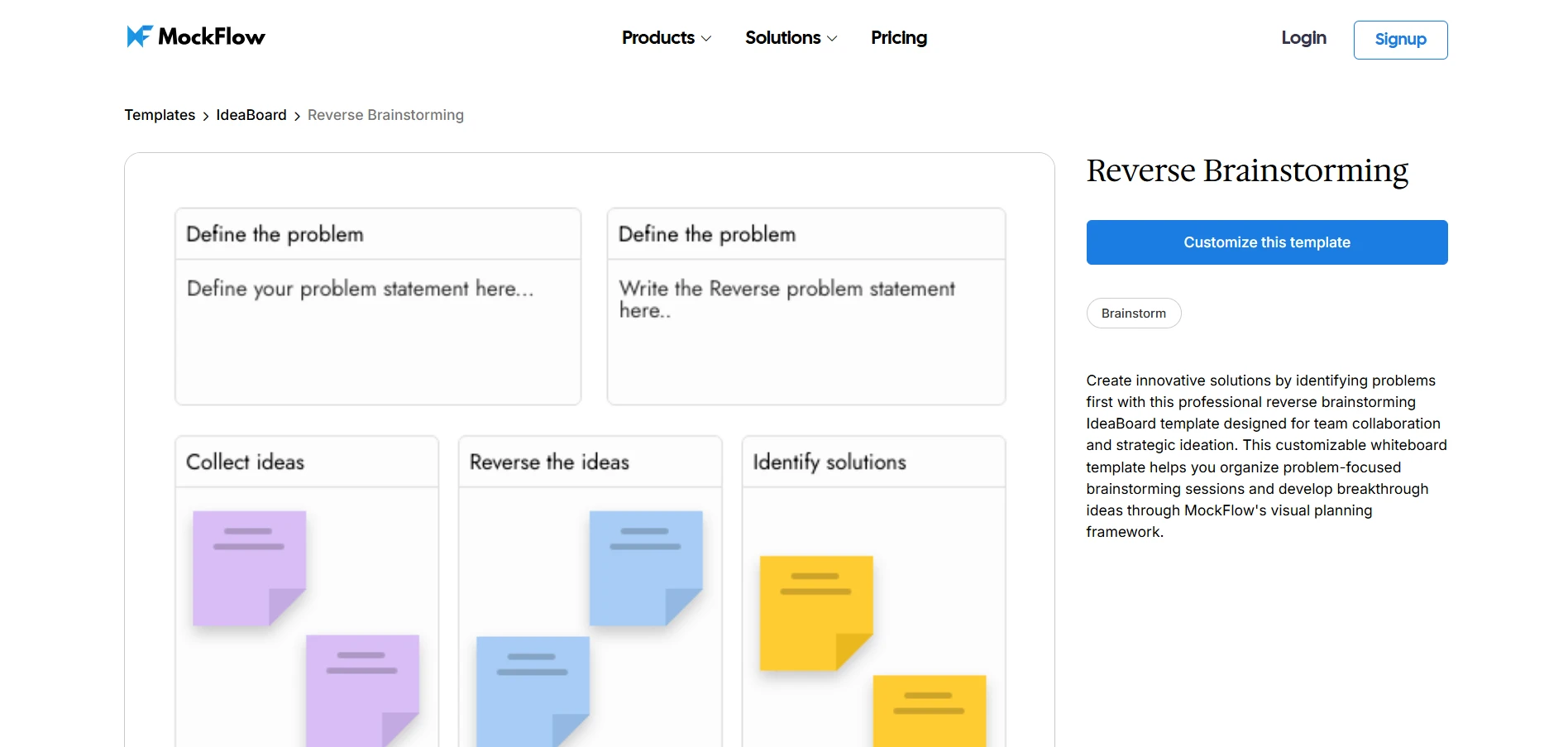
Customize this Reverse Brainstorming template for a collaborative session
When ideas appear instantly on the shared board, quieter team members often feel more comfortable contributing, which strengthens collaboration and inclusion.
Online Trivia brings energy and friendly competition into the room without requiring complex setup. Divide participants into teams, assign themed rounds, and let them collaborate on answers before submitting them.
The real value comes from the discussion. Teammates debate possibilities, recall shared knowledge, and support each other’s thinking. This format keeps engagement high while reinforcing teamwork and communication skills.
This game elevates trivia by adding structure and strategy. Instead of simply answering questions, teams choose categories, assess risk levels, and compete for points in a game-show format.
IdeaBoard’s Tier List template works well for this setup. Categories can be placed as rows, while questions or difficulty levels can be arranged visually to simulate point tiers. Teams select from different levels, and facilitators move items across tiers as scores update.
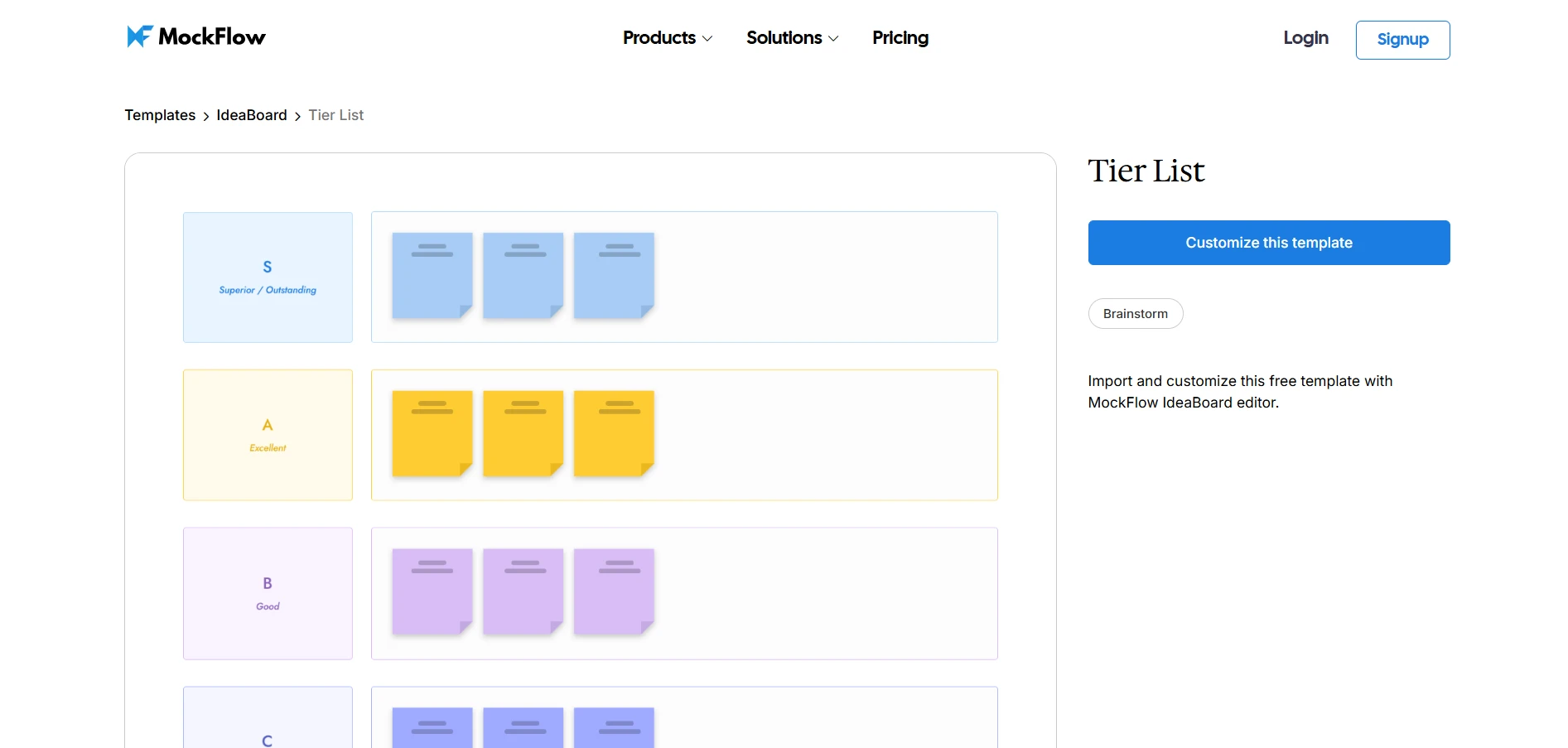
Click on the image to test the Tier List template on IdeaBoard
This visual format makes the competition feel dynamic and interactive. Teams can see progress in real time, which adds excitement while reinforcing collaboration and decision-making.
Experience & Team Interaction Games
Sometimes, the most effective virtual team building games are not about competition or strategy, but about shared experience. These activities create moments where teammates see a little more of each other’s personality, routines, and creativity. That human layer is often what remote teams miss most.
A Virtual Scavenger Hunt becomes far more engaging when it includes structured categories instead of a random list.
Create themed columns such as “Something Creative,” “Something That Represents Your Culture,” “A Productivity Tool,” or “A Comfort Item.” Participants must upload a photo to each category. The first person to complete all categories wins.
Using IdeaBoard’s Card Sorting template makes this format seamless. Each column can represent a category, and participants drag and drop their images into the correct sections. This creates a clear visual structure while keeping the activity fast-paced and competitive.
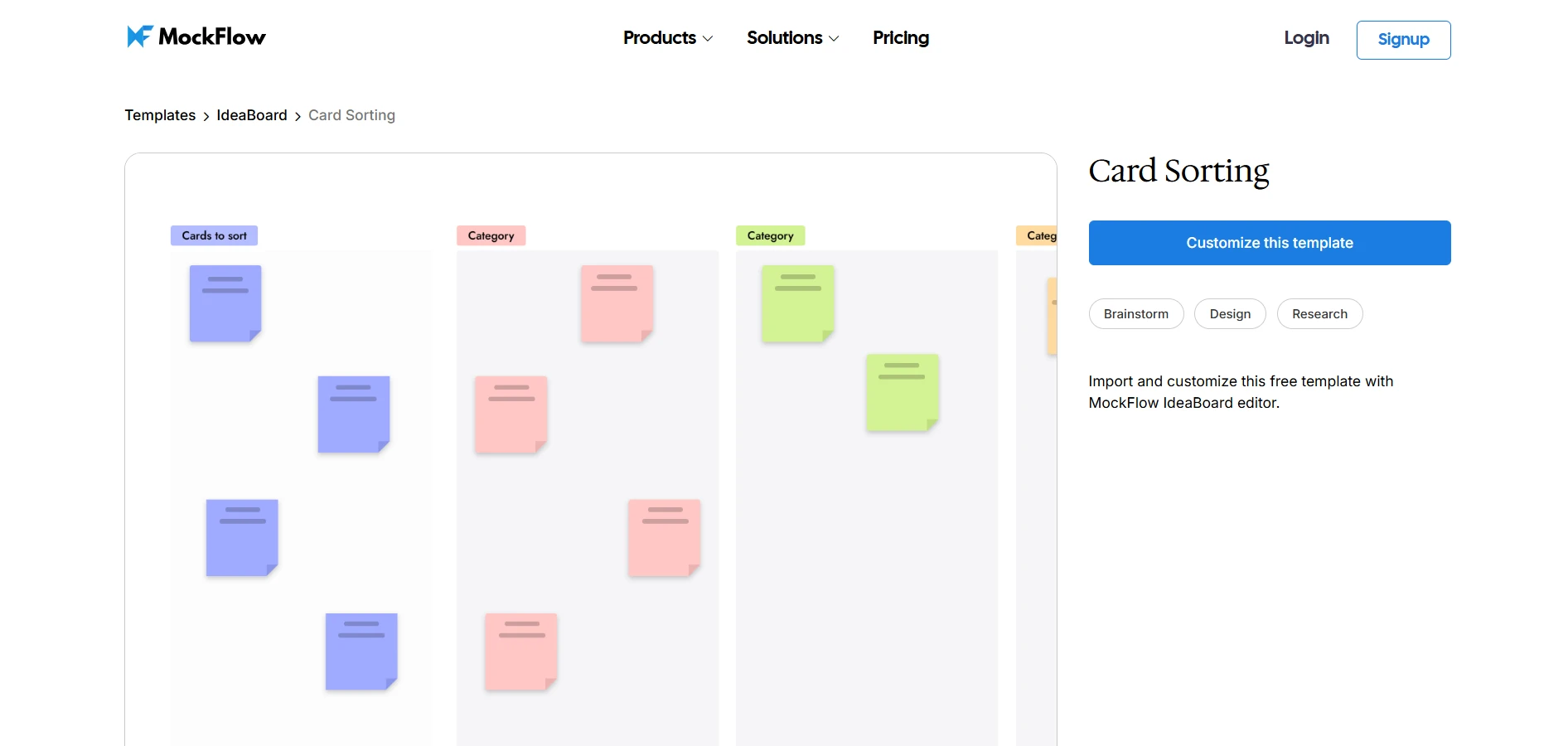
Try the Card Sorting template to play a virtual scavenger hunt
Since teams see progress unfold live, the experience feels dynamic rather than passive. It encourages movement, quick thinking, and real-time collaboration across distributed teams.
This activity introduces a slower, more personal rhythm to your virtual team activities. Choose a simple recipe and cook together over video. As participants move through the steps, conversations naturally expand beyond work, touching on food traditions, preferences, and everyday routines.
This experience-based format builds trust because it reveals small personal details that rarely surface in task-focused meetings. It works especially well for global teams where food becomes a cultural bridge rather than just a shared activity.
Puzzle and Logic Challenges offer a structured way to strengthen alignment and critical thinking. Instead of simply solving a crossword together, present a complex prompt or scenario that requires teams to analyze clues, discuss possible solutions, and prioritize options.
IdeaBoard’s Nominal Group Technique template works particularly well for this format. It allows participants to brainstorm solutions individually, discuss them collectively, and then rank or vote on the strongest answers. This structured progression mirrors how teams solve real workplace problems.
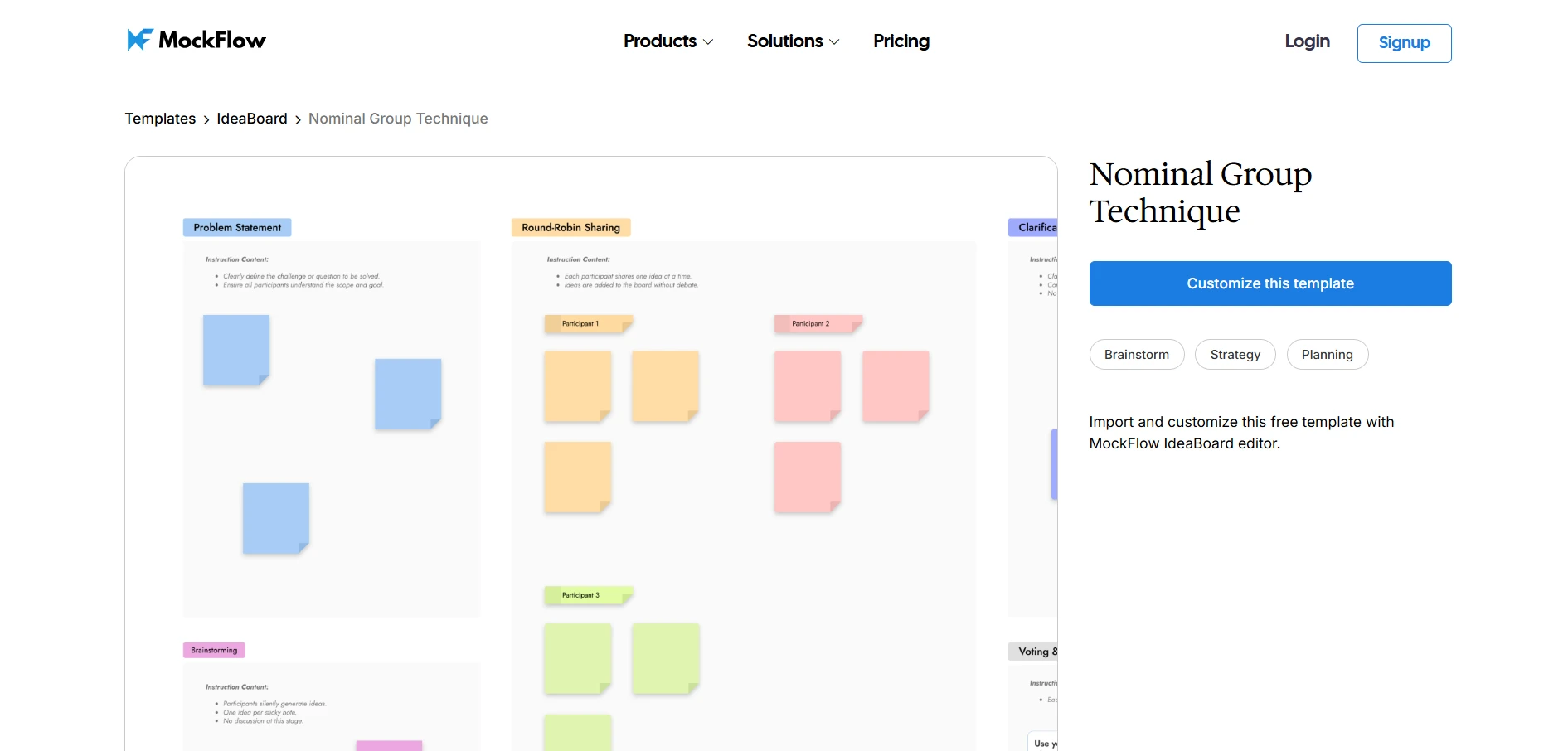
Customize the Nominal Group Technique template for a creative puzzle challenge
By moving from idea generation to discussion to prioritization, teams practice collaborative decision-making in a way that feels purposeful rather than purely recreational.
How to Make Virtual Team Building Inclusive
Inclusivity is what separates a fun activity from a meaningful one. A game that energizes half the team but excludes the other half quietly erodes trust. If virtual team building games are meant to strengthen connections, they need to work for different time zones, comfort levels, and communication styles.
Professionals working remotely often call out the same pattern: virtual team building can work, but only when it stays lightweight and doesn’t become forced. They recommended keeping game time optional and dialing frequency back if the same small group keeps showing up.
Here are practical ways to make virtual team building activities more inclusive:
- Respect time zones: Rotate session times when possible or offer asynchronous options. Shared boards allow teammates to contribute ideas, upload responses, or vote even if they cannot join live. Microsoft reports that 30% of meetings now span multiple time zones, which makes rotating times and offering async participation a practical inclusion move.
- Make cameras optional: Not everyone feels comfortable being on video. Allow participation through chat, written input, or shared boards so people can engage in ways that suit them.
- Clarify instructions upfront: Explain rules, time limits, and expectations before starting. When everyone understands the format, participation feels easier and more confident.
- Balance personality styles: High-energy games may energize extroverts, while reflective or written activities support introverts. Mixing formats across sessions ensures broader engagement.
- Take a preference survey: One of the most upvoted planning tips from a project management discussion is surprisingly simple: ask the team what they actually want first. A quick survey on formats and interests helps avoid forced activities and increases participation.
- Avoid overly competitive pressure: Light competition can motivate, but excessive focus on winning can discourage quieter participants. Consider cooperative formats where teams solve challenges together.
When virtual team building games are thoughtfully designed, they shift from being optional fun to becoming part of how teams collaborate and connect.
Inclusive structure turns participation into contribution, and contribution into belonging. That sense of belonging has ripple effects beyond the game itself. It influences how teams communicate, collaborate, and show up for one another long after the session ends.
Visual collaboration tools like IdeaBoard can support this inclusivity by offering shared spaces where teammates contribute at their own pace, add ideas visually, and engage without pressure. A structured board often makes participation feel easier and more equitable across remote and hybrid teams.
Why Virtual Team Building Still Matters for Remote Teams
After exploring different virtual team building games, it helps to pause and look at the bigger picture. In distributed environments, interaction does not happen organically, so it must be designed. When teams intentionally create moments for shared experience, the impact extends beyond the game itself.
The stakes are higher than many teams realize. Gallup reports that only 21% of employees globally were engaged in 2024, which is exactly why leaders look for practical rituals that create energy and belonging.
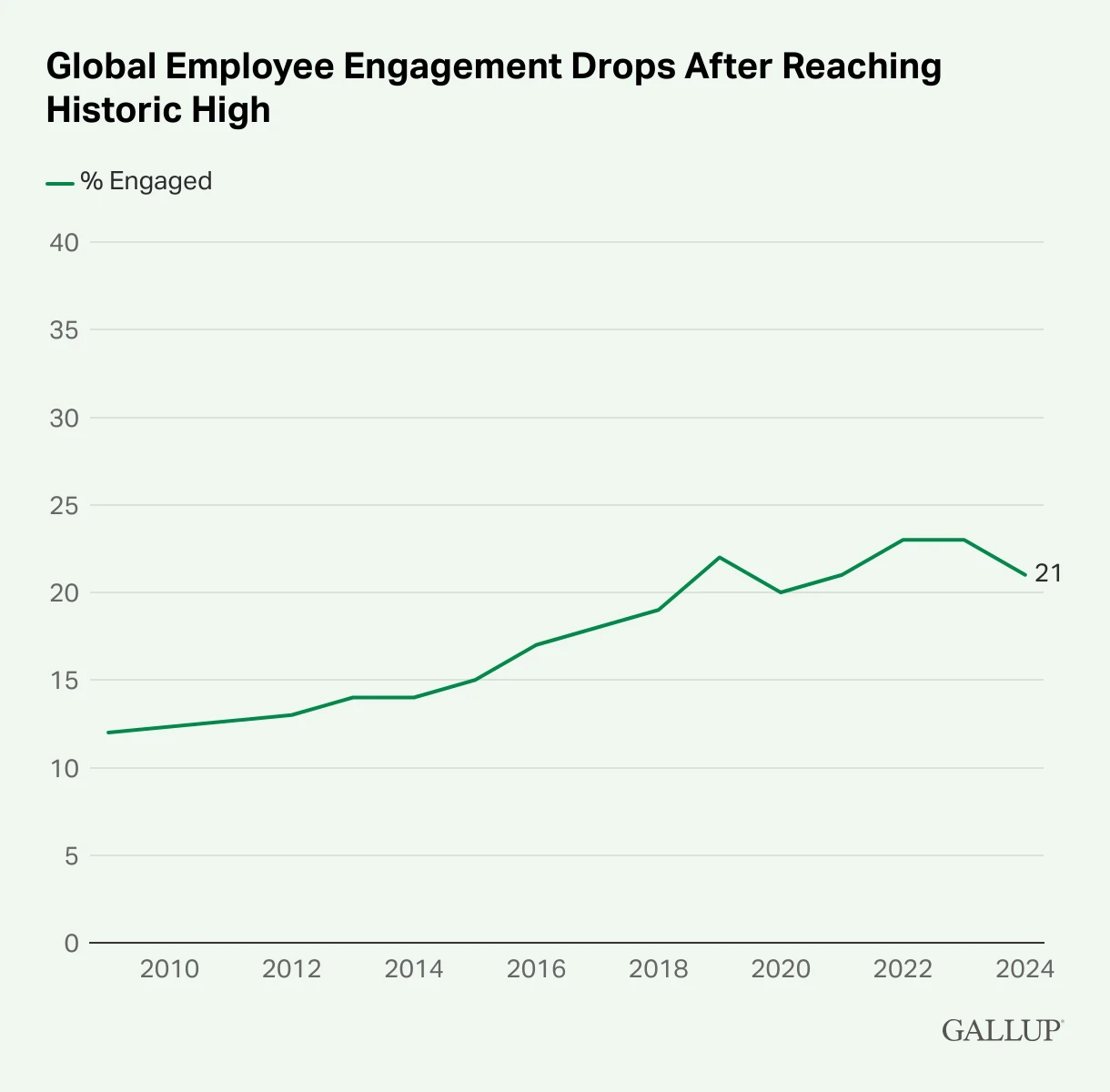
Image Source: State of the Global Workplace 2025 by Gallup
Virtual team building activities contribute to outcomes that matter:
- Higher engagement and connection: Regular interactive sessions reduce isolation and help team members feel seen and included.
- Stronger communication: Games that require discussion, clarification, and coordination naturally improve how teams exchange information.
- Cross-team collaboration: Structured activities encourage people from different roles or departments to work together in new ways.
- Greater trust and psychological safety: Shared challenges and lighthearted moments create familiarity, which lowers barriers to honest communication.
These benefits compound over time. A single session may create laughter and short-term energy. Consistent, well-facilitated virtual games for team building gradually shape team culture. They influence how comfortable people feel asking questions, offering ideas, and admitting mistakes.
Remote team building games do not replace strong leadership or clear processes, but they reinforce both. They create intentional touchpoints where alignment and connection grow naturally.
When connection becomes part of the workflow rather than an afterthought, distributed teams operate with more clarity and confidence. That shift becomes part of how the team works moving forward.
Conclusion
Remote work does not weaken productivity by default, but it can quietly reduce the informal interactions that build trust and alignment. Without intentional moments of collaboration, even high-performing teams begin to operate in silos.
Virtual team building games create those moments, but structure determines whether they truly stick. When activities involve brainstorming, categorizing ideas, tracking scores, or building something together visually, a shared collaboration space makes participation easier and more inclusive.
MockFlow’s IdeaBoard provides that structure through ready-to-use templates, visual canvases, and real-time interaction that help teams move from scattered conversations to coordinated engagement.
Instead of running your next session with scattered chat threads and disconnected notes, try hosting it on a shared board that keeps everyone aligned. Sign up for a demo with IdeaBoard, experiment with a template, and see how structured visual collaboration can elevate your next virtual team building game.
FAQs
1. What are the best virtual team building games for remote teams?
The best virtual team building games for remote teams include icebreakers, trivia, virtual escape rooms, scavenger hunts, and creative challenges. These games improve communication, build trust, and boost engagement. Teams choose activities based on group size, time, and goals such as collaboration or morale.
2. What virtual team building games work in 5 minutes?
Five-minute virtual team building games include quick icebreakers, rapid trivia rounds, word association challenges, and short brainstorming prompts. These activities fit easily into weekly meetings or standups. They require minimal preparation and help teams reconnect quickly. Short sessions maintain momentum without disrupting productivity.
3. What virtual team building games are good for large teams?
Large teams benefit from virtual team building games that use breakout groups, team scoring, and structured facilitation. Trivia tournaments, strategy challenges, and virtual escape-style puzzles scale well to groups of 20 or more. Dividing participants into smaller teams encourages collaboration and ensures balanced participation.
4. What virtual team building games work for hybrid teams?
Hybrid teams need virtual team building games that give remote and in-office participants equal visibility and participation. Collaborative brainstorming challenges, problem-solving tasks, and shared creative exercises create a balanced experience. Clear rules and shared digital workspaces prevent remote employees from feeling excluded.
5. What virtual team building games build communication skills, not just fun?
Virtual team building games that build communication skills include problem-solving challenges, collaborative strategy games, and structured brainstorming sessions. These formats require teams to clarify ideas, assign roles, and make decisions together. A short debrief after each activity reinforces lessons about teamwork and collaboration.
6. How can a collaboration tool like MockFlow’s IdeaBoard support virtual team building games?
A visual collaboration tool such as IdeaBoard enhances virtual team building games by providing a shared digital workspace for brainstorming, voting, drawing, and real-time interaction. Teams can run creative challenges, visual icebreakers, and strategy exercises in one interactive board. Shared templates, live editing, and structured canvases support engagement, inclusion, and equal participation across remote and hybrid teams.
What Is a Mind Map? Examples, Templates & Steps to Create One
TL;DR: A mind map is a visual way to organize ideas around one central topic and connect related thoughts through branches....
Affinity Diagram: A Practical Guide to Organizing Ideas and Insights
Introduction Brainstorming sessions often produce dozens of ideas in minutes, but it gets difficult to figure out which ideas...
Nominal Group Technique: A Practical Guide to Group Decisions
Introduction The nominal group technique (NGT) is a structured group decision-making method used when teams need to choose...
